
Public sector business operations
Grip on financial flows, steering and capacity planning at regulators and public enforcement bodies.
Strategic advice & execution
For entrepreneurs and leadership teams who notice complexity growing while their grip on it fades. I look at the numbers, the processes and the choices around them, and bring them back to what works.

Less friction, by taking systems back to their core.
System research
Complexity is rarely created on purpose. It grows slowly, out of good intentions that nobody revisits.
01
A process is introduced at some point for a good reason.
02
Years later nobody remembers that reason. But everyone follows the steps.
03
A report is produced every month “because that is how it has always been done”. The meeting stays.
04
And so complexity piles up. Piece by piece, layer upon layer.
One day it is no longer a process.
It is a system nobody fully understands any more, and that everybody keeps alive.
Philosophy & method
Every question starts the same way: first look at what is actually happening, before anything changes.
We map how things actually run today. Without assumptions, without immediate judgement, simply the factual flow.
Two steps check the same thing. One loop runs back to the start. Why was this designed this way?
Whatever no longer serves a purpose goes. We cut ballast and redundant control steps.
What remains is shorter, easier to explain and a good deal more pleasant to work in.
System psychology & operations
An assumption becomes a fact over time. A habit becomes policy. A reaction from years ago still shapes what your calendar looks like.
An organisation is not a machine. It is what people have made of it over time: habits, compromises and ways of keeping going. Improve a process without understanding why people work that way, and the friction is back before you know it.
The best solutions appear where those two worlds touch: the numbers and the people.
Hard operations
Systems, ERPs, financial reporting, KPI dashboards and contractual templates.
Human dynamics
Assumptions, habits, ownership, attention and the energy it takes to decide.
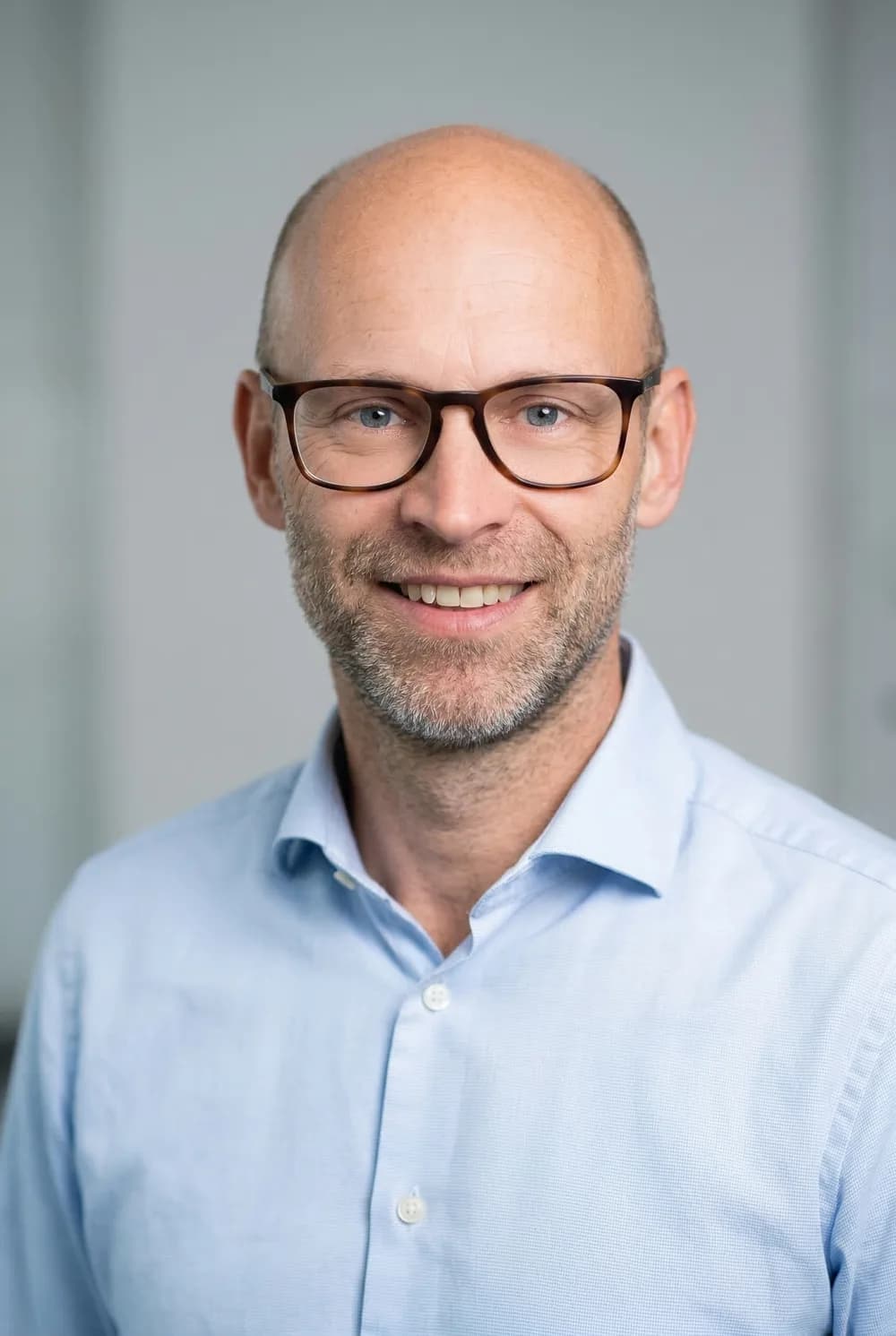
Haro Hollertt
Who
As a controller
“I learned to look at what numbers actually say, and at what they leave out.”
As a trader
“I learned that a good decision does not guarantee a good outcome. Quality sits in discipline and risk management.”
As an entrepreneur
“I learned that the real problem is rarely where you look for it.”
“Most energy is not lost in what happens, but in our reaction to it.”
Areas of application
Four angles where structure and sharpness create calm and room to grow.
Business models, durable growth, strategic priorities and sharpness in choices.
Structure, reliable numbers, risk control and strategic insight.
Removing complexity, streamlining processes and using AI where it works.
Focus, mental energy, autonomy and genuine enjoyment of the work again.
Not every question fits neatly into one box. That is often exactly what makes it interesting.
See what I doInnovation & experiments
Projects and experiments, with an explanation of why they exist and how they were built architecturally.
Grip on financial flows, steering and capacity planning at regulators and public enforcement bodies.
An AI platform that trains exam candidates using official Cito marking schemes and personalised learning-style analysis.
Automated tooling to scan websites, cookies and tracking architectures directly for GDPR compliance.
An exploratory conversation, no obligation
You do not have to be able to state the problem completely yet. Describe what you see or what you are unsure about. Clarity emerges in the conversation.